Ask most people what a chauffeur does and you will probably get the same answer: they drive a nice car and open the door. That is true, but it barely scratches the surface. A professional chauffeur is part logistics planner, part security-conscious host, and part discreet companion who happens to also be an exceptional driver. If you have ever wondered what does a chauffeur do that a regular driver does not, this guide breaks down the role in full, from training and licensing right through to the small habits that separate a good chauffeur from a great one.
What Is a Chauffeur, Really?
At its core, a chauffeur is a professionally trained driver hired to transport passengers in a safe, comfortable, and dignified manner, usually in a premium or executive vehicle. The word itself comes from the French term for someone who operated steam engines, and over time it came to describe a driver employed specifically for private or executive transport.
But the modern chauffeur job role explained properly involves far more than steering a car from A to B. A chauffeur is responsible for route planning, vehicle presentation, passenger safety, schedule management, and maintaining total discretion about who they are driving and what is discussed in the back seat. Many clients, from business executives to families arranging school runs, rely on their chauffeur to anticipate needs before they are even mentioned, whether that is having bottled water ready or knowing which entrance avoids the paparazzi at a hotel.
If you want to see how this looks in practice, our team at Chauffeur Force has built a reputation on exactly this kind of proactive, detail-focused service across London and the wider UK.
What Is the Difference Between a Driver and a Chauffeur?
This is one of the most common questions people ask, and the difference between chauffeur and driver comes down to training, professionalism, and the overall experience being delivered.
A driver’s job is simple: get the passenger from one point to another. A chauffeur’s job is to deliver a complete, premium experience around that journey. Here is what typically separates the two:
- Training: Chauffeurs usually complete specialised courses covering defensive driving, advanced vehicle handling, and customer service, while standard drivers often rely on a basic licence alone.
- Vehicle standard: Chauffeurs are almost always paired with a high-end, immaculately maintained vehicle rather than a standard car.
- Presentation: A chauffeur is typically in uniform, well groomed, and trained in formal etiquette.
- Communication: Chauffeurs are expected to be courteous but unobtrusive, reading the passenger’s mood and adjusting accordingly.
- Accountability: Professional chauffeur services carry full insurance, background checks, and structured booking systems, giving passengers far more security than an informal driving arrangement.
In short, a driver moves you. A chauffeur looks after you for the entire journey, whether that is a short transfer or a full day of engagements.
Professional Chauffeur Duties: What Actually Happens Behind the Scenes
The professional chauffeur duties that clients see are only part of the job. A large amount of the work happens before the passenger even steps into the car.
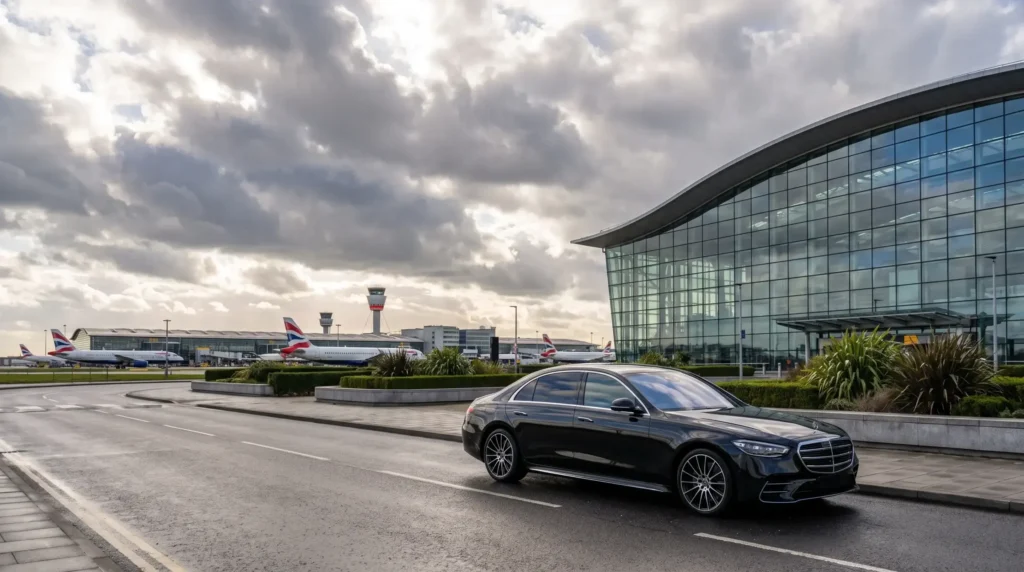
Before the journey, a chauffeur will check traffic conditions, plan an efficient route with backup options, confirm pickup times, and in the case of flights, monitor arrival status in real time. This is especially important for airport work. Our Heathrow Airport Transfers service, for example, includes live flight tracking so the pickup time automatically adjusts if a flight is delayed or arrives early, meaning the chauffeur is always exactly where they need to be.
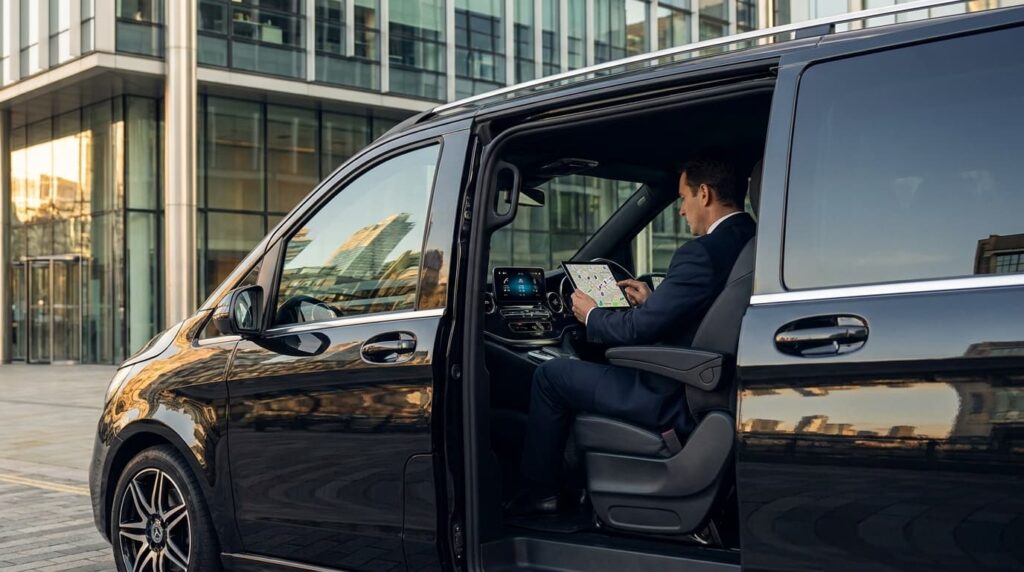
During the journey, the chauffeur is responsible for smooth, safe driving, maintaining a comfortable cabin temperature, managing luggage, and staying alert to the passenger’s preferences, whether that means silence for a work call or light conversation on a longer trip.
After the journey, a chauffeur will often assist with luggage at the destination, confirm the next steps if further transport is booked, and ensure the vehicle is cleaned and prepared for the next client.
For corporate clients, there is an added layer of responsibility. A chauffeur handling business travel often needs to understand confidentiality requirements, dress codes for formal events, and the importance of arriving early rather than simply on time.
Chauffeur Training and Licensing in the UK
So what qualifications does a chauffeur need in the UK? Unlike a standard driving licence, becoming a professional chauffeur involves several additional steps.
Most UK chauffeurs need:
- A full, clean UK driving licence held for a minimum period, often several years
- A private hire driver licence issued by the relevant local authority (such as Transport for London for those operating in the capital)
- An enhanced DBS check, since chauffeurs are regularly alone with clients and their belongings
- Specialist training in advanced or defensive driving techniques
- First aid training, which many reputable operators require
- Ongoing assessments of driving standards and customer service
This is why a dbs checked chauffeur is considered the baseline standard rather than a bonus feature. Clients, particularly those booking for children, elderly relatives, or high-profile individuals, need certainty that the person behind the wheel has been properly vetted.
How are chauffeurs trained in the UK beyond the legal requirements? Many companies run their own internal induction programmes covering vehicle-specific handling, route knowledge for major cities and airports, and etiquette standards. It is a continuous process rather than a one-off qualification, which is part of why experienced chauffeurs tend to command such strong reputations. If this kind of career path interests you, our Join Our Team page outlines what we look for in chauffeurs who want to work to that standard.
Chauffeur Etiquette in the UK
Chauffeur etiquette UK standards are built around a simple principle: be present, but never intrusive. A well trained chauffeur follows a set of unwritten rules that most passengers only notice when they are missing.
This includes:
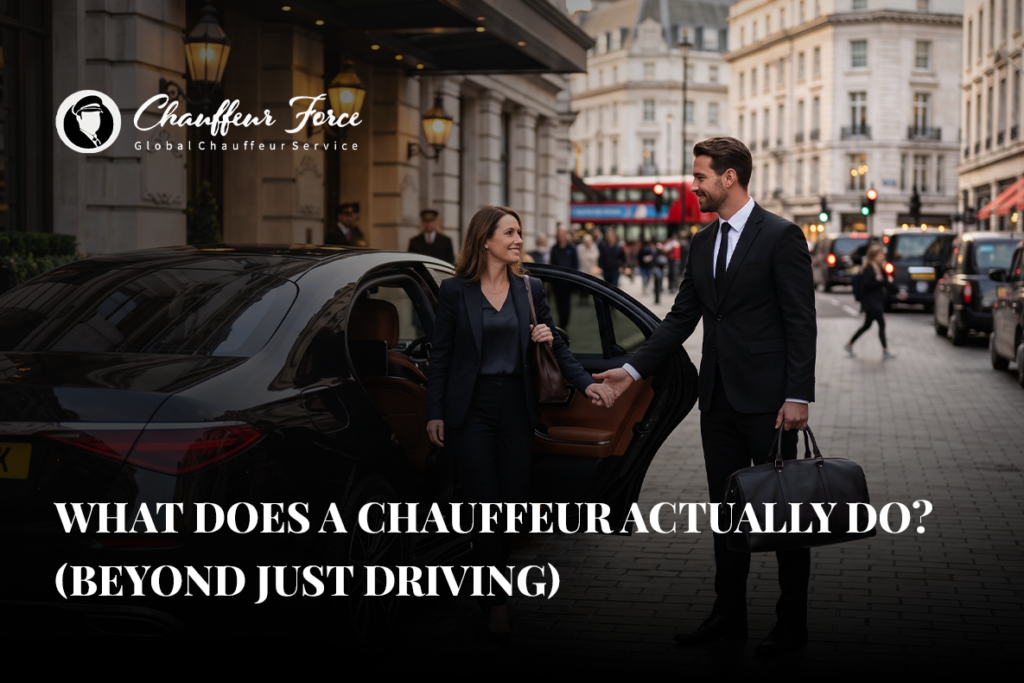
- Opening and closing the passenger door without being asked
- Greeting clients formally, often using their name if known in advance
- Keeping the volume of any music or radio low unless requested otherwise
- Never initiating conversation about politics, religion, or personal opinions
- Waiting patiently without checking a phone or appearing impatient
- Dressing in a uniform or formal attire appropriate to the vehicle and occasion
Etiquette also extends to how a chauffeur handles unexpected situations. If a client is running late, a professional chauffeur adjusts calmly rather than making the passenger feel rushed or guilty. If plans change mid-journey, they adapt without fuss. This calm, service-first attitude is often what people are really asking about when they say what should I expect from a professional chauffeur.
What Does Chauffeur Discretion Mean?
Discretion is arguably the most valued trait in this profession, and it goes far beyond simply staying quiet.
What does chauffeur discretion mean in practice? It means never discussing who a client is, where they were picked up or dropped off, or what was said in the vehicle, with anyone, including other staff, unless it is operationally necessary. It means not reacting visibly to phone calls or conversations happening in the back seat. It means understanding that some clients travel for sensitive business meetings, family matters, or public appearances that require privacy.
For high-profile individuals, executives handling confidential negotiations, or families wanting peace of mind, this level of discretion is not optional, it is the entire point of hiring a chauffeur rather than using a standard taxi or rideshare service. Reputable operators build this into their training and their contracts, so clients know exactly what standard to expect every single time they book.
Uniformed Chauffeur Service: Why Presentation Matters
A uniformed chauffeur service is about more than looking smart. Uniforms create an immediate visual signal of professionalism and accountability. When a chauffeur steps out in a tailored suit, name badge, and polished shoes, it reassures the passenger that they are dealing with a trained representative of a legitimate company, not an informal arrangement.
This matters particularly for corporate events, weddings, and airport arrivals where first impressions count. A chauffeur holding a name board in a pressed uniform at Heathrow or Gatwick tells an arriving passenger, often after a long flight, that they are in safe, capable hands from the moment they land.
Chauffeur vs Personal Driver: Which Do You Need?
The chauffeur vs personal driver comparison often confuses people because the terms get used interchangeably, but there is a meaningful distinction.
A personal driver is usually employed directly by an individual or family on a long-term, often exclusive basis. They may handle a range of duties beyond driving, such as running errands or managing a household vehicle.
A chauffeur, particularly one booked through a professional service, is typically engaged on a per-journey, per-day, or contract basis through a company that manages vetting, insurance, vehicle maintenance, and scheduling. This means less liability and administrative burden for the client, while still delivering the same standard of professionalism and discretion. For most businesses and individuals who need reliable transport without the commitment of direct employment, a professional chauffeur service is the more practical and cost-effective choice.
What Makes a Good Chauffeur?
Pulling everything together, what makes a good chauffeur comes down to a combination of hard skills and personal qualities:
- Exceptional, defensive driving ability under all conditions
- Deep knowledge of local roads, shortcuts, and traffic patterns
- Immaculate presentation and punctuality
- Genuine discretion and emotional intelligence
- Calm problem solving when plans change unexpectedly
- A service mindset that puts the passenger’s comfort first, every time
These are the standards we hold every chauffeur to at Chauffeur Force, whether they are handling a quick transfer or a full itinerary. You can see how this translates into our day to day service on our Chauffeur Service London page, where these principles are applied across every booking.
Frequently Asked Questions
What is the difference between a driver and a chauffeur?
A driver simply transports passengers from one location to another, while a chauffeur delivers a full premium experience, including advanced training, formal etiquette, vehicle presentation, and total discretion throughout the journey.
What qualifications does a chauffeur need in the UK?
UK chauffeurs typically need a full clean driving licence, a private hire licence from the relevant local authority, an enhanced DBS check, and specialist training in defensive driving and customer service.
What should I expect from a professional chauffeur?
Expect punctuality, a clean and well maintained vehicle, formal but friendly manners, complete discretion, and a calm, adaptable approach if plans or schedules change.
How are chauffeurs trained in the UK?
Through a combination of legal licensing requirements, company-specific induction programmes, defensive driving courses, and ongoing performance assessments.
What does chauffeur discretion mean?
It means the chauffeur never shares details about who they transport, where they travelled, or what was discussed during the journey, protecting the client’s privacy at all times.
Final Thoughts
A chauffeur’s job goes far beyond driving from one point to another. It is a role built on training, discretion, presentation, and a genuine commitment to making every journey as smooth and stress-free as possible. Whether you are booking an airport transfer, a corporate event pickup, or ongoing travel for your business, understanding what a chauffeur actually does helps explain why the experience feels so different from a standard taxi or rideshare. If you are ready to experience that difference for yourself, get in touch with our team to arrange your next journey.